
What is cerebral palsy (CP)?
Cerebral palsy (CP) is a group of conditions that affect movement, muscle tone, and posture due to brain damage or abnormal development before, during, or shortly after birth. It’s a well-documented childhood motor disability and can range from mild coordination issues to significant physical and cognitive impairments. Symptoms can include stiffness or floppiness, involuntary movements, poor balance, and delayed motor milestones. While there is no cure for CP, early intervention with physical, occupational and speech therapy along with medical and assistive support can help improve function and quality of life.
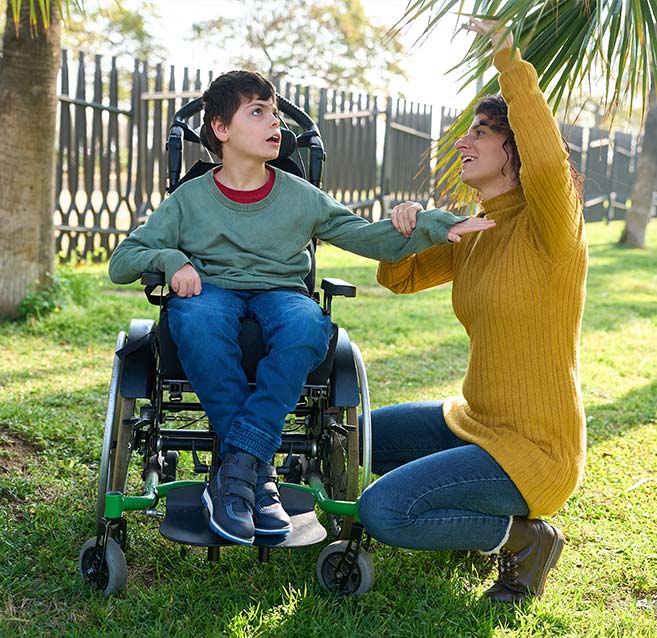
Is cerebral palsy common in kids?
Cerebral palsy is the most common childhood motor disability, affecting about 1 in 345 children in the U.S., according to the CDC. It’s caused by abnormal brain development or brain damage to the developing brain, often before or during birth, but sometimes shortly after. CP varies widely in severity and type—it can affect one limb or the whole body, and symptoms can range from mild coordination issues to significant physical and cognitive impairments.

Can cerebral palsy affect my child’s development?
Yes, cerebral palsy affects a child’s physical development and may also impact cognitive, speech, sensory and emotional development depending on the type and severity:
Motor skills
Most children have trouble with muscle tone, coordination and posture which can delay milestones like crawling, walking and fine motor skills.
Speech and swallowing
Some children have dysarthria or trouble swallowing.
Learning abilities
While many children with CP have average or above average intelligence, some may have intellectual disabilities.
Social-emotional development
Communication or mobility challenges can affect peer interaction and confidence.
Associated conditions
Children with CP may also have epilepsy, vision/hearing problems or scoliosis.
Early intervention and ongoing therapy make a big difference in functional outcomes and helps children reach their potential.
How is cerebral palsy diagnosed and treated?
Diagnosis
Diagnosis is often made in infancy or early toddlerhood but can be made later in milder cases. Cerebral palsy is diagnosed through a combination of:
- Developmental screening to identify delays in movement, posture or coordination.
- Physical and neurological exams to assess muscle tone, reflexes and motor patterns.
- Brain imaging (MRI or CT scans) to look for brain abnormalities.
- Movement assessments by specialists like pediatric neurologists, physiatrists or developmental pediatricians.
Treatment
There is no cure for CP but early, multidisciplinary treatment can make a big difference:
- Physical therapy to improve strength, flexibility and mobility.
- Occupational therapy to help with daily activities like dressing or feeding.
- Speech therapy for communication and swallowing support.
- Medications like muscle relaxants to reduce spasticity.
- Bracing, devices or mobility aids like walkers or wheelchairs.
- Surgery for muscle/tendon release or orthopedic correction.
- Special ed and behavioral support if learning or emotional challenges.
Our physiotherapists are dedicated to helping your child recover, progress in their health, and thrive!
You're in good hands.
Contact Us
Hours of Operation
Mississauga
Monday: 8am–8pm
Tuesday: 8am–7pm
Wednesday: 8am–7pm
Thursday: 8am–7pm
Friday: 8am–7pm
Saturday: 8am–3:30pm
Sunday: Closed
Pickering
Monday: 11am–2pm
Tuesday: 11am–7pm
Wednesday: 1pm–7:15pm
Thursday: 11am–2pm
Friday: 11am–2pm
Saturday: 9am–4pm
Sunday: Closed